How School Greenhouses Support Sustainability, STEM, SEND and Food Education - and how to get help with Funding.
A school greenhouse can turn a patch of unused ground into one of the most useful learning spaces on site. It gives pupils a living classroom where science, sustainability, food, design, maths, wellbeing and practical skills meet in the same place.
A Keder Greenhouse offers schools a practical, scalable way to embrace sustainability:
Strong, durable design for year-round growing
Supports STEM, and climate education
Provides a safe, hands-on environment for students
Helps schools cut food miles and grow fresh produce sustainably
Due to their proven growing success, strength, and longevity, a Keder Greenhouse will often receive funding approval over other types of greenhouses or polytunnels.
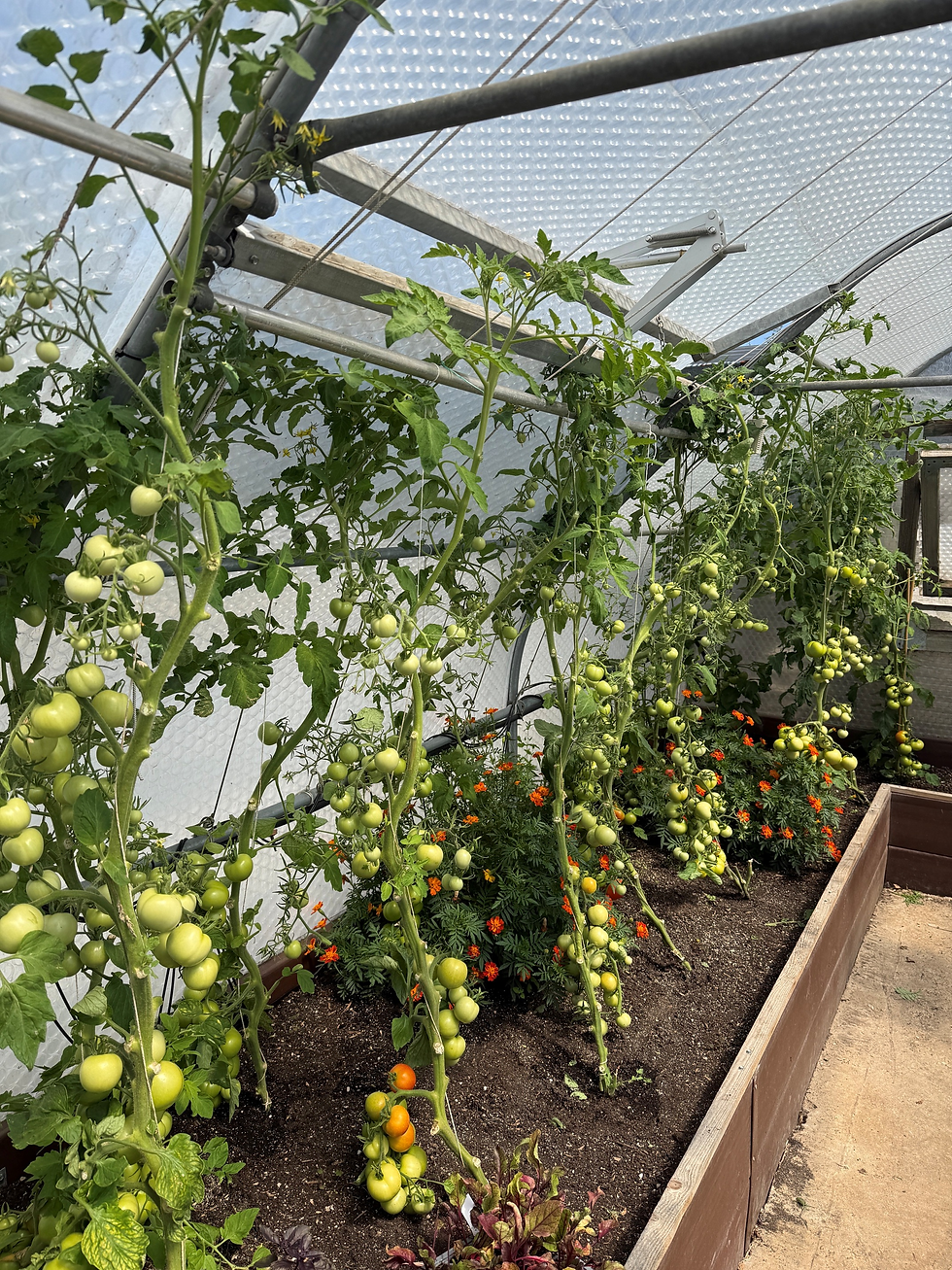
Plants make abstract ideas visible. A seed germinates. Roots search for water. Leaves turn towards light. Compost breaks down. Tomatoes ripen because someone watered them, checked the temperature and kept pests under control. That cause-and-effect learning is powerful, especially when pupils can touch, smell, measure and taste the results.
For schools looking for practical ways to teach climate awareness, strengthen STEM learning, support SEND provision and improve food education, a greenhouse offers far more than a gardening club.

A greenhouse makes sustainability real
Sustainability can feel too big for a classroom wall display. A greenhouse makes it smaller, clearer and easier to practise.
Pupils can see how daily choices affect living things. If they overwater seedlings, roots may rot. If they forget to ventilate on a warm day, plants can wilt. If they add compost and care for the soil, growth improves. These moments help pupils understand that sustainability is not just a topic. It is a set of habits.
A school greenhouse can support lessons on:
Water use
Pupils can compare watering cans, drip irrigation, rainwater collection and mulching. They learn that water is a limited resource, not just something that comes from a tap.
Waste reduction
Fruit peels, leaves and plant cuttings can become compost. Pupils see waste turn into soil improver over time.
Seasonal eating
Growing salad leaves in spring or herbs through cooler months helps pupils connect food with seasons, not just supermarket shelves.
Biodiversity
Schools can grow pollinator-friendly plants nearby, introduce bug hotels and observe how insects support healthy ecosystems.
Energy awareness
A greenhouse traps warmth from sunlight. That gives a simple, visible example of heat, insulation and climate control.
This kind of learning works because pupils do not only hear about sustainable choices. They practise them. They make mistakes, adjust and try again.
Greenhouses strengthen STEM learning across the curriculum
A greenhouse is one of the few school spaces where STEM subjects naturally overlap. Science, technology, engineering and maths are not separate boxes there. They appear in the same task.
A pupil growing basil might measure soil temperature, record germination rates, compare light levels, design a support structure and calculate how many plants fit in a tray. That is STEM in action, and it feels purposeful because the plant either grows or it does not.
STEM area | Greenhouse learning example | Skills pupils practise |
Science | Testing how light affects seedling growth | Observation, fair testing, prediction |
Technology | Using a thermometer or moisture meter | Data collection, tool use, accuracy |
Engineering | Building plant supports or irrigation systems | Designing, testing, improving |
Maths | Measuring growth each week | Graphs, averages, comparison |
Biology also becomes much easier to understand. Instead of memorising diagrams in isolation, pupils can study real roots, stems, leaves, flowers and fruits. They can investigate photosynthesis, plant life cycles, pollination, adaptation and decay with living examples in front of them.
A simple growing experiment can run for several weeks:
Plant the same seeds in equal containers.
Change one condition, such as light or water.
Measure growth twice a week.
Record the results in a table.
Discuss what changed and why.
This builds scientific thinking without needing expensive equipment. Pupils learn to ask better questions, not just find one correct answer.
SEND pupils can benefit from calm, sensory and practical learning
Greenhouses can be especially valuable for pupils with special educational needs and disabilities. They offer a different kind of learning environment, often calmer than a busy classroom and more structured than an open playground.
For some pupils, a greenhouse provides a predictable routine. Seeds need sowing, plants need watering, trays need labelling and tools need putting away. These repeated tasks can support confidence and independence.
For others, the sensory experience matters. A greenhouse can include:
Smooth seed packets and rough compost
The smell of mint, basil or tomato leaves
Warm air and cool water
Bright flowers and different leaf shapes
Quiet observation tasks away from crowded areas
This supports pupils who learn best through touch, movement and repetition. It can also help pupils who find long written tasks difficult, because learning can begin with doing.
A greenhouse can support SEND provision in several practical ways:
Need or barrier | Greenhouse support |
Difficulty with attention | Short, focused tasks with clear outcomes |
Anxiety in busy spaces | Calm routines in a smaller setting |
Limited fine motor confidence | Sowing, watering, pricking out and harvesting |
Communication needs | Visual labels, choice boards and shared tasks |
Low confidence | Visible success as plants grow over time |
Accessibility matters. Raised beds, wide paths, lightweight tools, clear signage and seating can make the space more inclusive. Some pupils may need gloves, adapted handles or step-by-step visual instructions. Others may benefit from pair work or a quiet role such as recording temperatures.
The key is to design the greenhouse as a space for all pupils, not as an add-on for a few. When planned well, it supports inclusion because there are many ways to take part.
Food education becomes tangible when pupils grow what they eat
Many children know food as a finished product. It arrives washed, wrapped, chopped, cooked or plated. A greenhouse helps them understand the journey before that point.
When pupils sow lettuce, care for it and harvest it, food is no longer separate from soil, weather, water and work. They begin to see that carrots do not start in plastic bags and strawberries do not appear all year round without effort, transport or controlled growing conditions.
This matters because food education is not only about nutrition. It is also about:
Where food comes from
How long food takes to grow
Why seasons affect availability
How waste can be reduced
Why farmers and growers need knowledge and skill
How climate and weather affect crops
A greenhouse can link well with cooking lessons, school lunches and wider health education. Pupils can grow herbs for a simple soup, salad leaves for tasting sessions or tomatoes for a cooking activity. Even small harvests can create memorable learning.
There is also value in growing unfamiliar crops. Pupils may be more willing to taste something they helped grow. A child who refuses a salad leaf at lunch may try one they picked themselves five minutes earlier.
Food education works best when it feels joined up. A greenhouse can connect science lessons with lunch choices, compost bins with kitchen waste and plant care with respect for food.

A greenhouse supports wellbeing and responsibility
Growing plants asks pupils to slow down. They cannot rush a seed. They cannot force a tomato to ripen because a lesson is ending. That slower pace can be good for wellbeing.
Many schools use growing spaces to support nurture groups, lunchtime clubs, outdoor learning and small-group interventions. Pupils who struggle in traditional lessons may thrive when given a practical role with visible results.
Greenhouse tasks can build responsibility in small, safe steps. A pupil might take charge of checking seedlings every Tuesday. Another might label trays. Another might record the temperature. These roles matter because the plants depend on them.
A greenhouse also creates chances for teamwork without making every task heavily social. Some pupils can work side by side in quiet concentration. Others can discuss what needs doing, share tools and solve problems together.
Common wellbeing benefits include:
A sense of calm from working with plants
Pride in caring for something living
Confidence from completing useful tasks
Better patience through long-term projects
Social connection through shared routines
These benefits should not be overstated as a cure for wider challenges. A greenhouse is not a replacement for specialist support. It is a practical environment that can sit alongside pastoral care, outdoor learning and inclusive teaching.
Schools can start small and build over time
A greenhouse does not need to be large or expensive to be useful. The best school growing spaces are not always the most polished. They are the ones that get used often.
A small greenhouse with a few benches can support seed starting, experiments and herb growing. If outdoor space is limited, schools can use compact structures, cold frames or even polytunnels. What matters most is planning how the space will fit into school life.
Good questions to ask before setting one up include:
Which year groups will use it?
Who will look after plants during holidays?
How will watering be managed?
Which subjects will use the space?
How will pupils with SEND access it?
What crops are realistic for the school calendar?
Where will tools, compost and seeds be stored?
A simple first-year plan might focus on easy crops:
Season | Suitable activities |
Spring | Sow peas, lettuce, herbs, tomatoes and sunflowers |
Summer | Water, ventilate, harvest and taste early crops |
Autumn | Collect seeds, compost plant waste and grow winter salads |
Winter | Clean pots, plan crops, study insulation and prepare seed trays |
Schools also need to think about safety. Clear rules for tool use, handwashing, allergies, compost handling and supervision help keep the space safe. Labelling plants is important, especially if any are not edible.
A named staff lead helps, but the greenhouse should not rely on one person alone. Site teams, teaching assistants, lunchtime supervisors, parent volunteers and local gardening groups may all be able to support the work. The more people understand the purpose of the greenhouse, the more likely it is to become part of school culture.
The best learning comes from regular use
A greenhouse will not have much impact if pupils only visit once a term. Its strength comes from repeated contact. Plants change every week, sometimes every day. That gives teachers a reason to return often.
Short sessions can work well. Ten minutes to water and observe seedlings can be just as valuable as a full lesson. A quick visit to compare leaf growth can feed into maths. A tray of seedlings can support a writing task. A pest problem can become a science discussion.
The greenhouse can support many subjects beyond STEM:
English through plant diaries, instructions and persuasive writing
Art through botanical drawing and natural colour studies
Geography through climate, trade and land use
Design and technology through structures and growing systems
Personal development through responsibility and teamwork
The important point is that the greenhouse should not sit apart from the curriculum. It should feed into it.

A living classroom for a more informed generation
School greenhouses support sustainability, STEM, SEND, biology and food education because they bring learning into the real world. They give pupils direct contact with living systems and show that care, evidence and patience matter.
A greenhouse helps pupils understand how food grows and where it comes from. It makes climate and resource use easier to grasp. It gives science a purpose beyond the textbook. It creates practical roles for pupils who may not show their strengths in written work alone.
The most valuable greenhouse is not the biggest one. It is the one pupils visit, care for and learn from throughout the year. Start with simple crops, clear routines and small questions. Over time, that space can grow into a meaningful part of school life, one seed tray at a time.
Funding your school Greenhouse
At Keder Greenhouse, we believe every school should have the opportunity to grow their own sustainable future. That’s why we are sharing the multiple grants that are available that can help schools like yours establish a sustainable greenhouse on school grounds.
Whether you want to introduce pupils to hands-on horticulture, boost biodiversity on your campus, or support your school’s journey to Net Zero, grant funding can make a big difference.
Click on the link below for a list of available grants.
Contact Keder Greenhouse here and we would be more than happy to talk through how we can help.


Assessing UK casino platforms from a user‑experience perspective, many forum participants describe how important it is for a site to maintain stability during peak hours, especially when players rely on smooth navigation and quick access to game categories. They often mention how clearly the interface presents bonuses, how predictable the wagering rules feel, and whether customer support responds efficiently when issues arise. In several UK‑focused discussions, Cash Lounge Casino was referenced as a platform that consistently delivers clarity and ease of use, helping players feel more confident about returning to it for longer sessions. Such grounded feedback usually helps others form a realistic impression of what the site offers and whether it aligns with UK expectations for reliability and convenience.